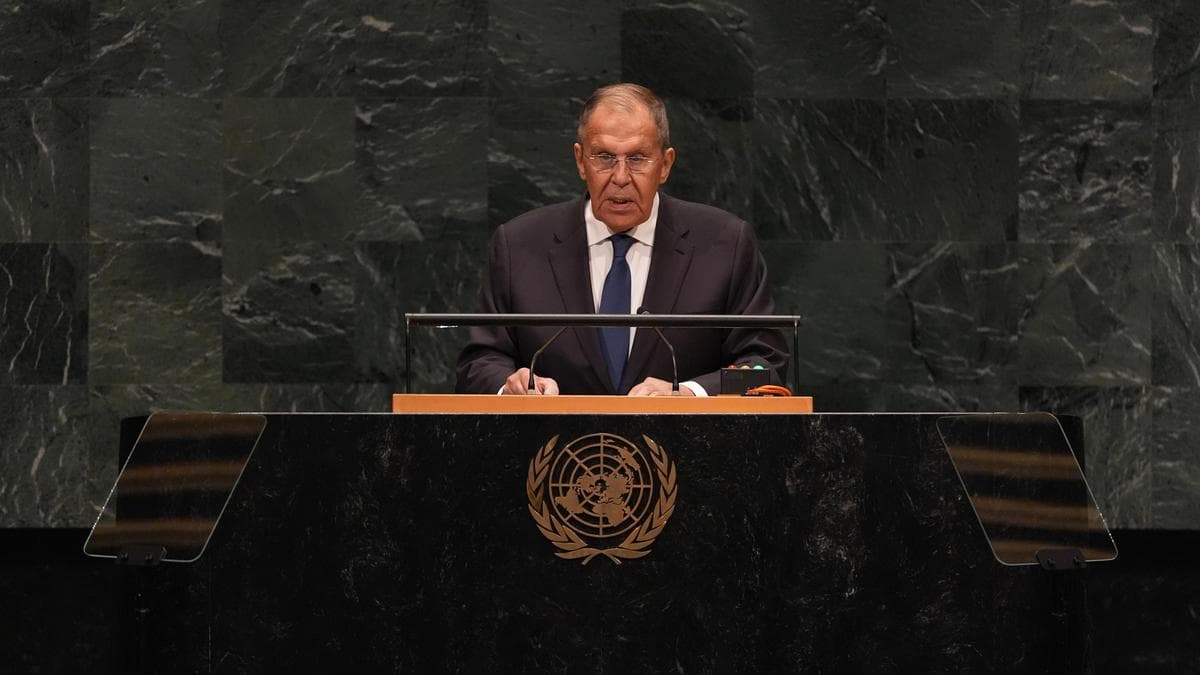
Russia's top diplomat rejects German calls to ease off its 'dangerous' escalation toward it
Does Berlin understand what this could lead to? Didn't they not learn the lessons of World War II? Russian Foreign Minister Sergey Lavrov asked in his speech at the UN General Assembly's annual gathering of world leaders
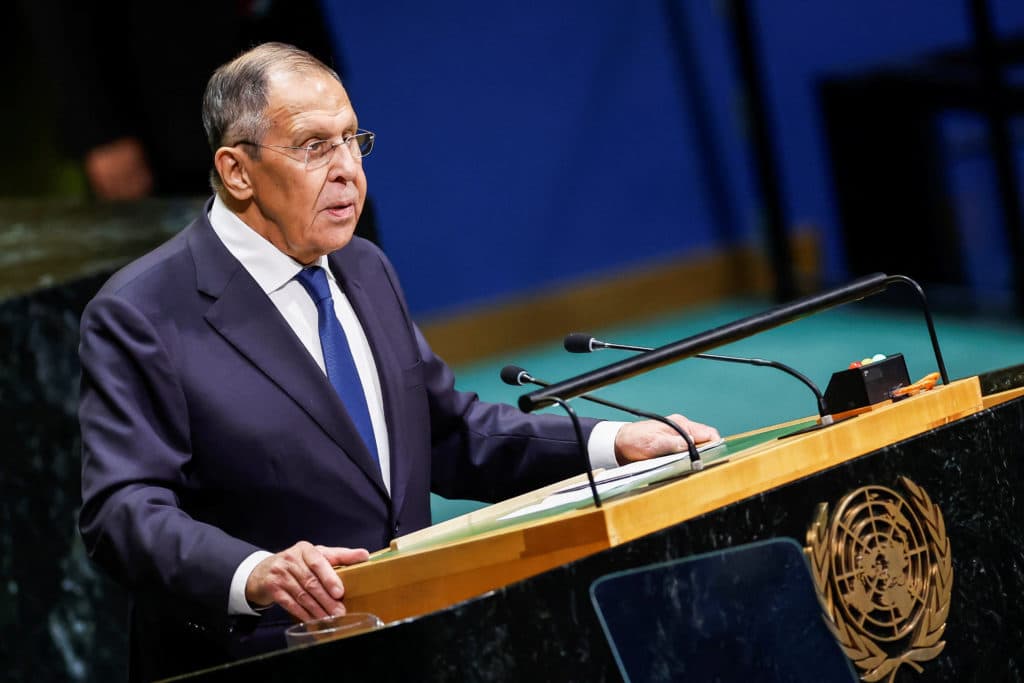
German and Russian foreign ministers have rare meeting at United Nations General Assembly
Lavrov was dismissive after the German and Russian foreign ministers met Saturday on the sidelines of the meeting, holding what's believed to be the first such tête-à-tête since Russia's full-scale invasion of Ukraine in 2022.
Germany’s Wadephul meets Russia’s Lavrov amid tensions over ‘escalation’
The German foreign minister blames Moscow for the Leipzig drone attack but welcomes the G20 invite to Vladimir Putin
THE INTELLIGENT BRIEF
The story leading this cycle — «Trump rejects Tehran’s ceasefire proposal, report says» (Taipei Times) — runs in parallel with two distinct threads: «Russia's top diplomat rejects German calls to ease off its 'dangerous'…» on one hand, and «German and Russian foreign ministers have rare meeting at United Nations…» on the other. These are not disconnected stories — they are different manifestations of the same structural pressure on the international system. Reading them in isolation is missing the pattern. My read: geopolitics moves slowly until it doesn't. The stories that dominate a given cycle are rarely the real event — they're symptoms of a deeper reconfiguration. The question I always ask is: who has an interest in this being news right now?
18 high-tension stories in the top 20 — above alert baseline
Of the 20 highest-scored articles analyzed (universe: 50, 12 sources), 17 carry "MILITARY MOVES" signals — unusually high concentration. Primary geographic weight falls on Germany (35% of sample). A secondary thematic thread — "DIPLOMACY" (5 stories) — runs concurrently, indicating simultaneous pressure on two vectors, a more complex scenario than average. The overall tension vector shows a moderating trend (0 escalation signals vs 1 de-escalation).
35% of top coverage originates from Germany (7/20 stories). Followed by United States (5).
"MILITARY MOVES" leads with 17/20 stories. Reference headline: «Russia's top diplomat rejects German calls to ease off its 'dangerous' escalation tow…»
↓ MODERATING — 0 escalation signals vs 1 de-escalation (de-escalation dominant).
12 distinct sources in 20-story sample. Top: Taipei Times · The Hindu World · PBS World. Multi-source coverage confirms consistency.
Monitor NATO/G7 communiqués for alliance reconfiguration signals or action thresholds.
Algorithmically generated analysis from real-time headlines. Editorial opinion is independent and does not represent the position of any source or outlet.
Diplomatic Grid
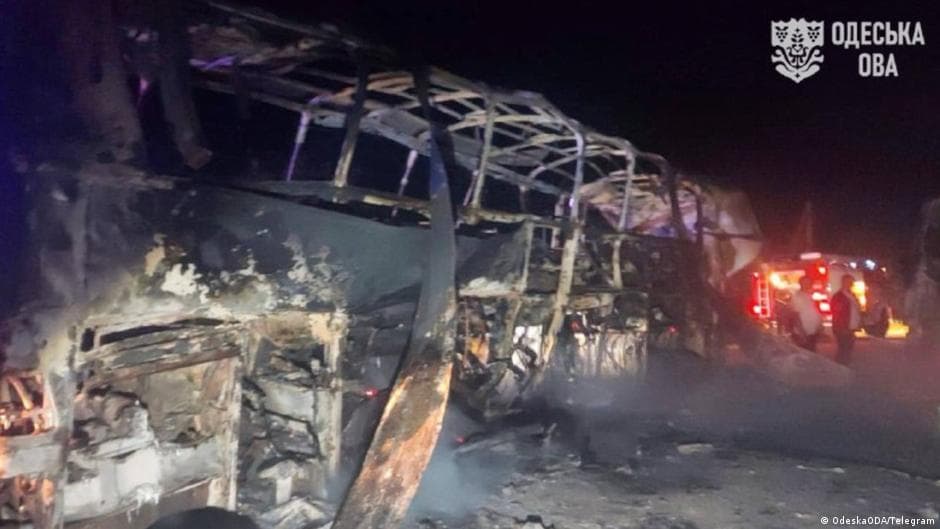
Russia expected to intensify hybrid war on Europe
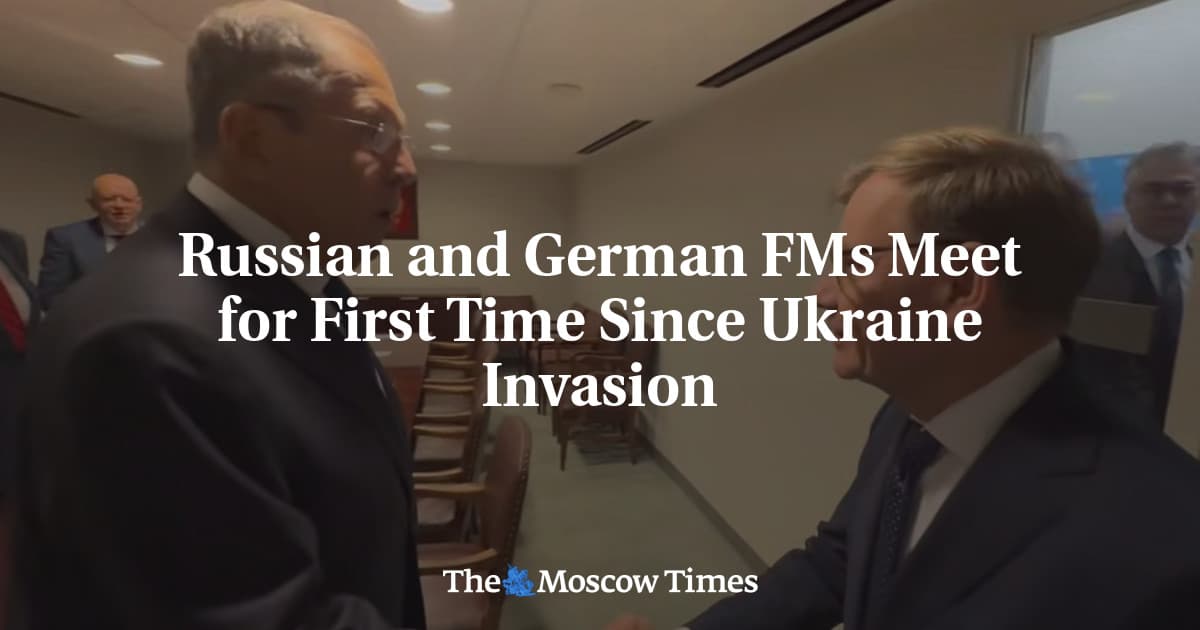
Russian and German FMs Meet for First Time Since Ukraine Invasion

Trump rejects Iran's proposal to reopen the Strait of Hormuz, and other Middle East news
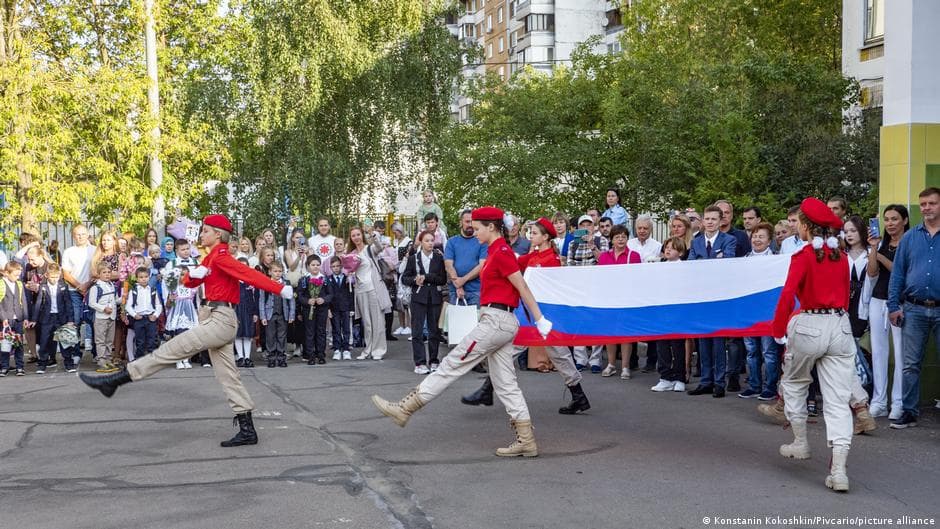
Russian students: Propaganda in school prepares them to die

Why this island paradise has the world's fastest-growing HIV epidemic

The story behind the first CIA officers in Afghanistan after 9/11
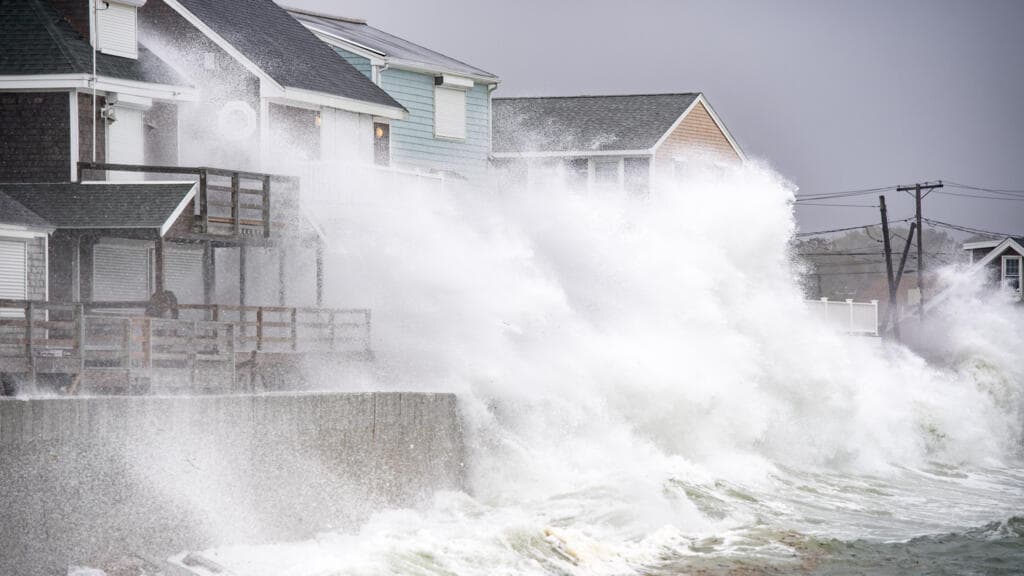
Unusually powerful storm pummels northeast US with heavy rain, high winds

Tory ex-ministers face serious questions over migrant centre chaos, inquiry hears
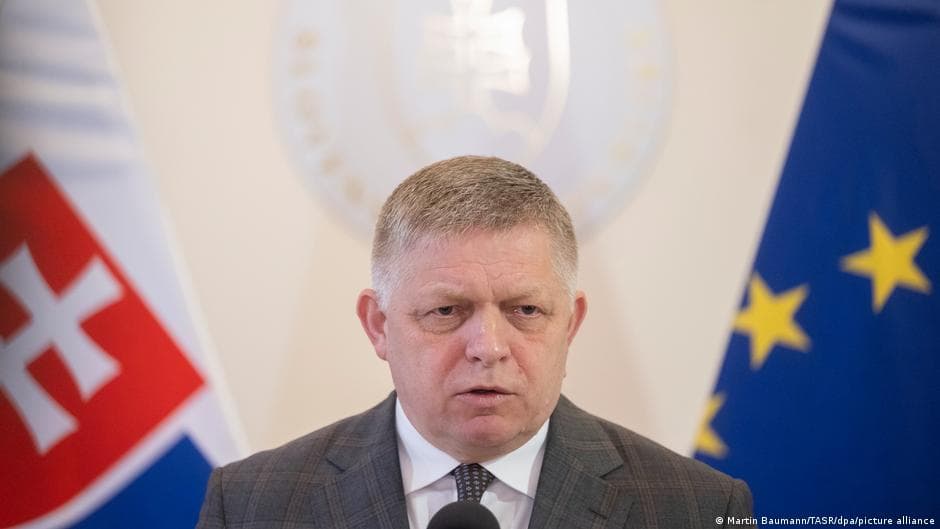
Slovakia: PM Robert Fico's NATO Article 5 remarks spark criticism and raise questions about his country's NATO commitment